
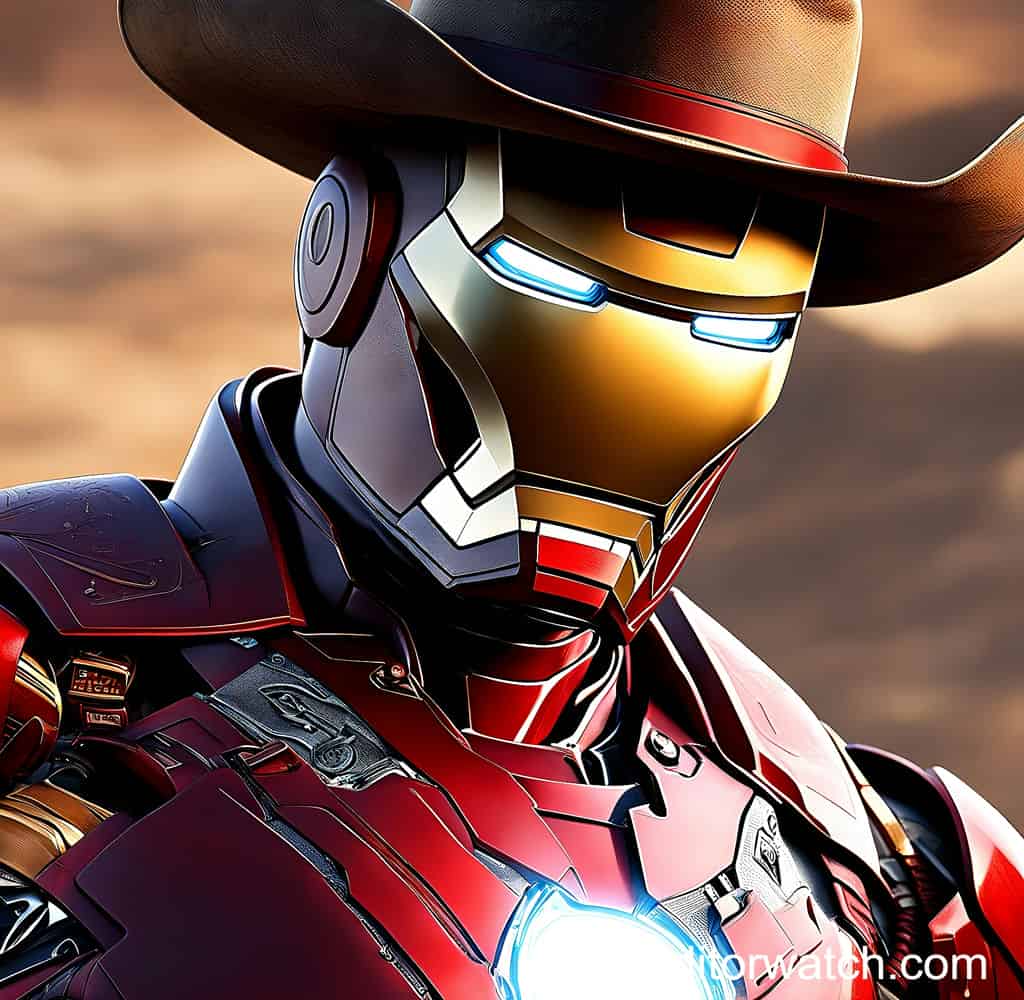

Iron Man Hot Toys Civil War have become incredibly popular among both toy collectors and Marvel fans since their release. However, their depiction of gun violence has sparked a significant amount of controversy.
Some argue that these toys glorify and normalize the use of guns, potentially desensitizing children to the real-life consequences of violence. On the other hand, supporters argue that these toys are simply harmless fun, allowing children to engage in imaginative play and explore the world of superheroes.
In this blog, we will delve into the impact of Iron Man Civil War Toys on children’s perception of gun violence, analyzing the dichotomy between superheroes and gun violence, the influence of these toys on perceptions of militarism and vigilantism, and addressing concerns about how these toys represent and showcase gun violence. Join us as we explore the question: Are Iron Man Civil War Toys a glorification of gun violence or harmless fun?
The Impact of Iron man toys civil war on Children’s Perception of Gun Violence
Research has shown that war toys, particularly those that depict guns and violence, can have a significant impact on children’s perception of gun violence. Psychiatrist Lawrence Probes has raised concerns about the increase in sales of war toys and their potential negative effects on children.
Numerous studies have demonstrated that exposure to violent toys can contribute to aggressive behavior and desensitization to violence. This is particularly alarming considering the statistics on gun-related deaths among children. In 1987 alone, over 3,300 children ages 1 to 19 were killed in homicides, suicides, and accidents with guns, making up 11% of all deaths in that age group.
The rise in sales of toy guns, reaching 33 million in 1987, raises concerns not only among parents but also law enforcement agencies. Toy guns have become so realistic that they are often indistinguishable from real firearms. This has led to incidents where police departments have confiscated toy guns in criminal incidents, mistaking them for real weapons.
Given these concerns, it is crucial to promote the use of life-affirming toys that encourage positive values and non-violent conflict resolution. Parents and caregivers should be mindful of the toys children play with and consider their potential impact on their development and attitudes towards violence.
Exploring the Controversy: Are Iron Man Civil War Toys a Glorification of Gun Violence?
The controversy surrounding Iron Man Civil War toys and their potential glorification of gun violence has sparked a heated debate among toy collectors, Marvel fans, and parents alike. On one side of the argument, there are concerns that these toys send a harmful message to children about guns and violence. Critics argue that by showcasing characters equipped with firearms and superpowers, these toys can desensitize children to the real-life consequences of gun violence.
However, there is a counterargument that these toys are simply fictional representations and do not promote real-life violence. Proponents of this view emphasize the importance of parental supervision and guidance when it comes to children’s play and exposure to violent media. They argue that responsible parenting, coupled with open discussions about the distinction between fantasy and reality, can help children understand the difference between fictional violence and real-life consequences.
It is crucial to acknowledge the potential impact of media and toys on shaping children’s attitudes towards guns and violence. Studies have shown that exposure to violent media can influence aggressive behavior in children. Therefore, toy manufacturers and marketers have a responsibility to consider the potential effects of their products on children’s development.
Additionally, parents, educators, and society as a whole play a vital role in teaching children about non-violent conflict resolution and promoting positive values. By fostering open and ongoing discussions about the influence of media and toys on children, we can help shape their attitudes and behaviors in a constructive manner.
Analyzing the Dichotomy: Superheroes vs. Gun Violence in Iron Man Civil War Toys
The conflict between Iron Man and Captain America in Captain America Civil War goes beyond physical strength and intelligence. It delves into the political ideologies of the two superheroes and their differing views on how America should be run. This tension has been building up in previous Marvel movies, leading to the epic showdown in Captain America Civil War.
The original Civil War comic book arc, which initially did not have anything to do with the Avengers, has played a significant role in shaping the characters we see onscreen today. While some elements of the original story may not hold up well over time, such as the prominence of reality television, others, particularly those relating to politics, remain relevant and impactful in today’s world.
Ultimately, it is the fans who will decide who they perceive as the real hero and villain in this conflict. The dichotomy between Iron Man and Captain America represents larger themes and issues, such as the use of violence, the role of government, and the definition of justice. Toy collectors, Marvel fans, and parents can engage in discussions and debates surrounding these topics while appreciating the representation and showcases of their favorite superheroes in the form of iron man hot toys civil war.
The Influence of Iron Man Civil War Toys on Perceptions of Militarism and Vigilantism
The Iron Man Civil War toys have had a significant influence on perceptions of militarism and vigilantism, particularly among children. These toys, which became incredibly popular following the release of the Marvel film “Captain America: Civil War,” have contributed to the normalization of militaristic and vigilantistic behavior in play and imagination.
The marketing and merchandising strategies employed by toy manufacturers have played a significant role in shaping societal attitudes towards war and violence. The packaging and promotion of these toys often showcase scenes of intense conflict and violence, with characters wielding firearms and showcasing their superpowers. This constant exposure to violence can desensitize children to the real-life consequences of war and violence.
Research has shown that exposure to these toys can impact children’s attitudes towards conflict resolution and the use of force. Studies have found that children who play with militaristic toys are more likely to view violence as an acceptable means of resolving conflicts. This has raised concerns among experts, who argue that these toys may perpetuate a culture of violence and hinder the development of peaceful conflict resolution skills.
It is important for parents and caregivers to critically examine the messages and values that these toys promote. Engaging in conversations with children about the themes and messages portrayed in these toys can help them develop a critical understanding of violence and its consequences. By discussing the concepts of militarism and vigilantism, parents can help children navigate the dichotomy between fictional representations and real-world implications.
Furthermore, manufacturers and marketers have a responsibility to consider the potential influence of their products on children’s perceptions and attitudes towards violence. By creating toys that emphasize non-violent conflict resolution and positive values, the industry can contribute to a safer and more peaceful play environment.
Addressing Concerns: Civil War Toys Represent and Showcase Gun Violence
Continuing our exploration of the Iron Man Civil War toys and their representation of gun violence, it is essential to understand the context in which these toys are based. The Iron Man Civil War storyline was a major crossover event in the Marvel Universe in 2006-7, capturing the attention of comic book fans and the general public alike.
The series revolves around a conflict between the heroes of the Marvel Universe, triggered by the introduction of the Superhero Registration Act. This act requires superheroes to register and undergo training under government supervision. While some heroes see this as a necessary step to ensure public safety, others view it as a violation of civil liberties and an encroachment on personal freedoms.
Philosophical question
In exploring these themes, the comic raises important philosophical questions about the role of the state and its monopoly on the use of coercive force. It delves into the tension between maintaining public safety and individual rights, a dichotomy that is particularly relevant in a world where superpowers and advanced technology coexist.
The representation of gun violence in Iron Man Civil War toys is a reflection of the themes and conflicts explored in the comic series. These toys showcase various characters armed with firearms, highlighting the militaristic nature of the conflict. The toys may include dioramas and sets that depict intense battle scenes, further emphasizing the violent nature of the storyline.
It is important to critically analyze the portrayal of gun violence in popular culture and its potential influence on society. Concerns may arise regarding the impact of these toys on children’s perception of gun violence and their desensitization to its consequences. As parents and collectors, it is crucial to consider the messages and values conveyed by these toys and engage in open discussions about violence and its consequences.
By examining the representation of gun violence in Iron Man Civil War toys, we can contribute to a broader conversation about the role of violence in comic book culture and its impact on society. It is essential to approach these discussions with sensitivity, recognizing the potential for hostility and the need for diverse perspectives to be heard. Together, we can foster a greater understanding of the complex moral issues that arise in the portrayal of violence in popular media.
Iron man hot toys civil war: To Conclude
In conclusion, the controversy surrounding Iron Man Hot Toys Civil War and their depiction of gun violence is a complex issue that requires careful consideration. While some argue that these toys glorify and normalize the use of guns, others believe they are harmless fun that allows children to engage in imaginative play. It is important for parents and caregivers to be aware of the potential influence these toys may have on children’s perceptions of violence, militarism, and vigilantism. Open dialogue and guidance can help children navigate these themes responsibly and understand the real-life consequences of violence. Ultimately, the impact of Iron Man Civil War Toys on children’s perception of gun violence depends on a variety of factors, including the child’s age, maturity, and understanding of fiction versus reality.


