
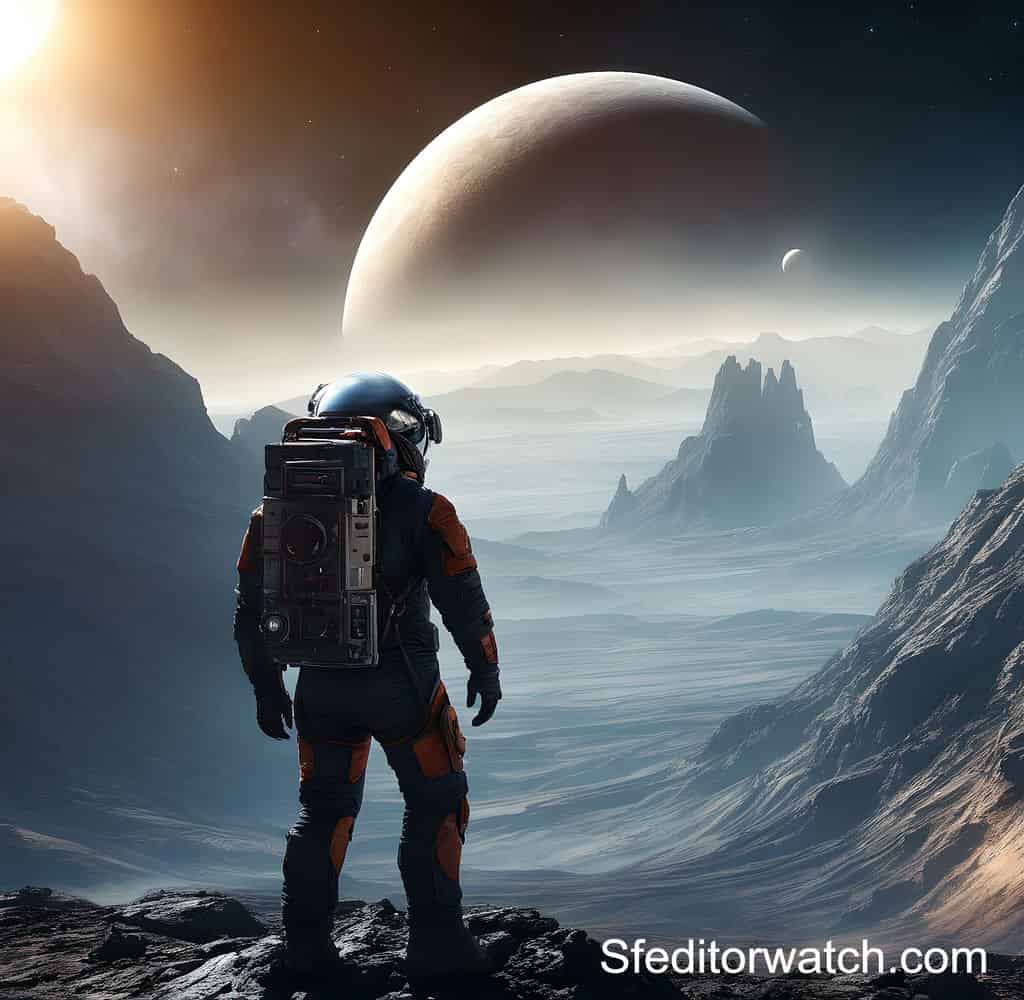

Welcome to our blog, where we delve into the fascinating world of science fiction films and explore the controversies surrounding them. In this edition, we will be focusing on the year 2004 and the heated debate surrounding whether science fiction movies should be banned. As movie enthusiasts, we understand the profound impact that science fiction has had on popular culture and the way it has shaped our perception of the future. However, there are those who argue that these films go too far in their portrayal of controversial themes and should be restricted or even banned altogether. Join us as we examine the arguments on both sides and delve into the influence and significance of science fiction movies in our society.
The Influence of 2001: A Space Odyssey on Science Fiction Films
2001: A Space Odyssey, directed by Stanley Kubrick and released in 1968, is widely regarded as one of the most influential science fiction films of all time. Its impact on the genre cannot be overstated, as it revolutionized science fiction filmmaking with its groundbreaking visual effects and thought-provoking themes.
One of the key contributions of 2001: A Space Odyssey was its ability to set a new standard for visual storytelling in science fiction. The film’s realistic depiction of space travel and technology captivated audiences and inspired a generation of filmmakers to strive for authenticity in their own projects. The attention to detail and emphasis on realism in 2001: A Space Odyssey paved the way for future science fiction films to push the boundaries of what was possible on screen.
The imagery of 2001: A Space Odyssey has become iconic in popular culture and continues to be referenced and homaged in modern science fiction films. The monolith and the rotating space station are instantly recognizable symbols of the film, and their influence can be seen in subsequent movies such as Star Wars, Blade Runner, and Interstellar.
Beyond its visual impact, 2001: A Space Odyssey also explored philosophical and existential themes that continue to be explored in science fiction films to this day. The film delves into questions of human evolution, the dangers of artificial intelligence, and the nature of human existence. These themes have resonated with audiences and have influenced the storytelling of many science fiction films that followed.
Overall, 2001: A Space Odyssey remains a timeless classic that continues to inspire and challenge audiences. Its influence on the science fiction genre is undeniable, and it is a must-watch for any fan of science fiction cinema.
Examining the Controversial Themes in Interstellar, 2004 Science Fiction Movies:
Interstellar, the much-anticipated film by Christopher Nolan, has sparked mixed reviews from both fans and critics. While it has garnered high ratings from the fanboy crowd on IMDb, it has also faced criticism and divisive opinions from critics. This has led to debates and discussions among viewers regarding the film’s themes and storytelling.
One aspect of the film that has received both praise and criticism is the score by Hans Zimmer. Zimmer’s music, like John Williams before him, has become a character in the movie, demanding attention and overshadowing the dialogue at times. Some viewers appreciate the emotional depth that the score adds to the scenes, while others feel that it becomes overpowering and detracts from the overall experience.
Another point of contention for critics and viewers alike is the film’s storytelling and character development. Some have found the plot confusing and difficult to understand, while others have criticized the lack of believability in the characters. This has led to discussions about the film’s logic and coherence.
In terms of box office performance, Interstellar faced tough competition from Disney’s Big Hero 6 during its opening weekend. Despite this, the film has still managed to build a dedicated fanbase and receive high ratings on IMDb, indicating its appeal to a certain audience.
Overall, Interstellar’s controversial reception has highlighted the subjective nature of film criticism and the diverse opinions that can arise from a single piece of art. It has sparked debates and discussions among movie enthusiasts, particularly those interested in science fiction, who continue to analyze and dissect the film’s themes and storytelling choices.
The Martian: A Realistic Portrayal of Space Exploration or Just Fiction?
“The Martian” film, based on the bestselling novel by Andy Weir, aims to provide a realistic portrayal of a human mission to Mars. One of the key factors that contributed to the film’s accuracy is the involvement of Weir himself, who reviewed the drafts of the screenwriter and worked closely with the director, Ridley Scott. Additionally, NASA was consulted throughout the production to ensure scientific accuracy.
One aspect of space exploration that the film accurately portrays is the process of traveling to Mars. It showcases the use of unmanned vehicles to send habitats and food to the planet in advance of human arrival. The film also emphasizes the need for a separate vehicle for descending and ascending from the Martian surface. These details align with current scientific thinking about how a mission to Mars would be conducted.
Another aspect that the film gets right is the travel time to Mars. It accurately depicts the eight-month duration of a one-way trip from Earth to Mars, which is consistent with current estimates. This attention to detail and adherence to scientific accuracy were appreciated by both Weir and Scott, as it allowed them to be restricted by the actual science of space exploration.
However, it is important to remember that “The Martian” is still a work of fiction. While it strives for scientific accuracy, it may take some creative liberties for the purpose of storytelling. Nonetheless, the film offers an engaging and realistic portrayal of space exploration, providing audiences with an entertaining and educational experience.
The Debate: Should Science Fiction Films Be Banned?
The debate surrounding whether science fiction films should be banned is a contentious topic that has sparked discussions among movie enthusiasts, particularly those interested in the science fiction genre. While much attention has been given to the impact of science fiction literature on our understanding of science, the influence of speculative fiction, particularly in the form of movies, is often overlooked.
It is important to note that science fiction movies have a much wider audience compared to print science fiction. Many more people watch science fiction movies than read science fiction books. However, a significant concern arises when considering the accuracy of the science depicted in these films. Almost all science fiction movies, and even some print science fiction, often portray science that is misleading at best and harmful at worst.
When teaching science fiction as literature, it becomes evident that students often have misconceptions about science due to what they have seen in science fiction films. For example, some students believe that cloning will result in telepathic abilities or inherent evilness in clones. Others think that aliens will aggressively want to enslave or consume humans, or that destroying the Earth’s ecology will have no consequences because future generations can simply move to other planets. These misconceptions need to be addressed and corrected.
It is crucial to point out the obvious dissenting viewpoints and provide accurate information to counter these misconceptions. Cloning, for example, is simply a delayed form of twinning, and aliens with different evolutionary paths may have biology not based on DNA, making it impossible for them to eat or mate with humans. Furthermore, resources like water and gold are more efficiently mined from asteroids rather than transporting them up a gravity well. Robots are also more efficient than humans in many tasks, debunking the idea of autonomous weapons.
However, it is essential to recognize that science fiction can still be enjoyed as entertainment. The Chinese government’s change in attitude towards science fiction, from banning it during the Cultural Revolution to now enthusiastically promoting its publication, reflects its potential to inspire young people to learn about science. Science fiction films, in particular, can spark curiosity and interest in scientific concepts. But it is crucial to provide accurate information alongside these films to ensure that viewers understand the difference between fact and fiction.
Banning science fiction films altogether may limit creative expression and the exploration of imaginative ideas. It is important to strike a balance between enjoying science fiction as entertainment and promoting scientific literacy. By encouraging critical thinking and providing accurate information, we can navigate the world of science fiction films while ensuring a solid understanding of real science.
The Impact of 2004 Science Fiction Movies on Popular Culture
The immense popularity of “Don’t Look Up” on Netflix showcases the impact that 2004 science fiction movies have on popular culture. This film, directed by Adam McKay and starring Jennifer Lawrence and Leonardo DiCaprio, combines the elements of science fiction with the portrayal of modern-day scientists.
Science fiction serves as a space for the public to comment on culture, explore social dynamics, and contemplate the ethical issues presented by science. As Rick Stevens, an associate professor of media studies, explains, science fiction takes the familiar and makes it unfamiliar or takes the unfamiliar and makes it familiar to facilitate discussion and recognition.
In “Don’t Look Up,” the movie explores the portrayal of science and technology in public communication and pop culture. The film highlights the disconnect between scientists, represented by characters like Kate Dibiasky and Randall Mindy, and political leaders when addressing a planet-killing comet headed towards Earth. This storyline raises questions about the prioritization of short-term political gains over long-term global catastrophe.
The immense success of “Don’t Look Up” suggests that we might be in a new golden age of sci-fi entertainment. Audiences are drawn to science fiction movies that not only entertain but also provoke thought and reflection on the world around us.
As science fiction continues to captivate audiences, it remains a genre that pushes boundaries and challenges societal norms. By exploring speculative science-based depictions and fictional realism, science fiction movies like “Don’t Look Up” contribute to the ongoing conversations about the impact of science and technology on our society.
In the next section, we will delve into the history of science fiction movies and their influence on popular culture.
All in All
In conclusion, the controversy surrounding 2004 science fiction movies highlights the ongoing debate about the boundaries of artistic expression and the potential impact of such films on society. While some argue that these movies push the limits too far with their portrayal of controversial themes, others believe that they serve as a reflection of our imagination and exploration of the unknown. Science fiction movies have undeniably played a significant role in shaping popular culture and our perception of the future. By sparking our curiosity and challenging our beliefs, these films have the power to inspire and provoke thought. Ultimately, the decision of whether science fiction movies should be banned or restricted lies in the hands of the viewers and their ability to critically analyze and interpret the messages conveyed. As movie enthusiasts, let us continue to appreciate and engage in the fascinating world of science fiction films, while also acknowledging the importance of responsible storytelling and respectful representation.


