
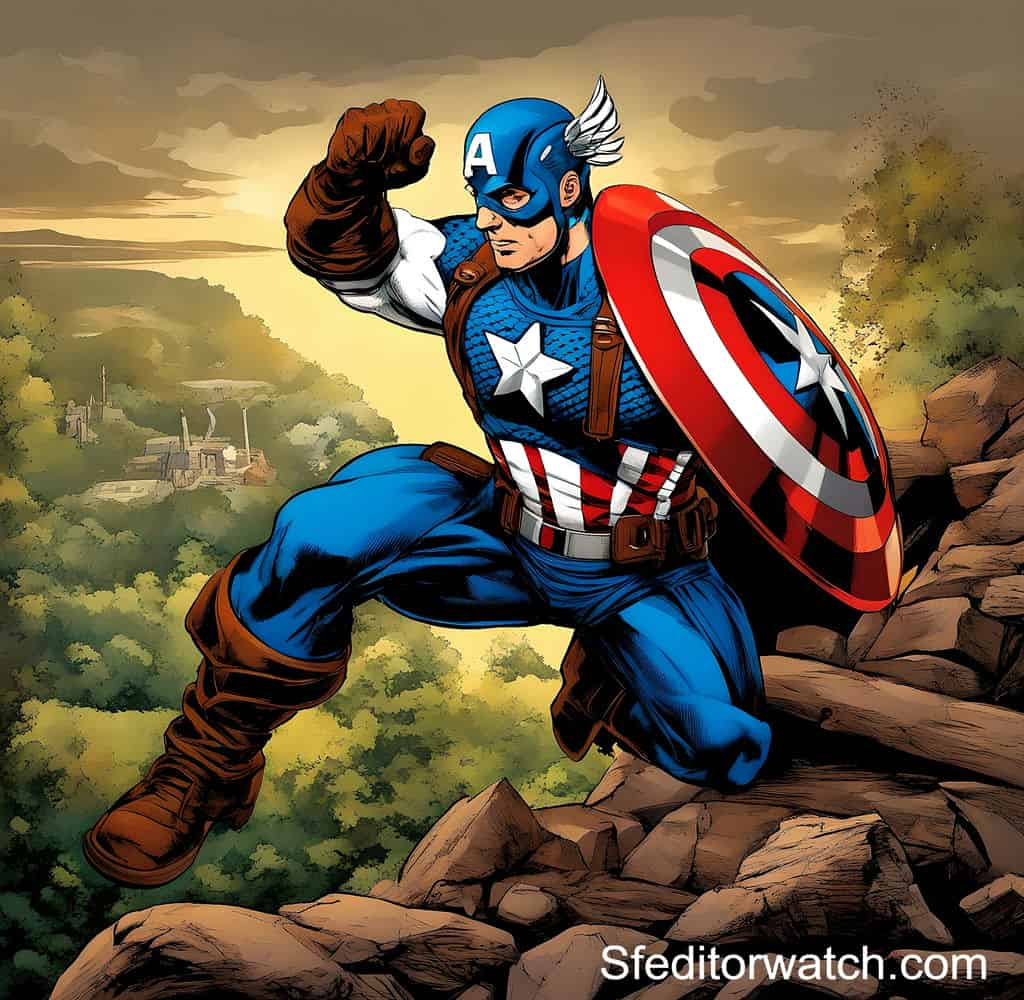

Welcome, fellow fans of Captain America Civil War Iron Man Hot Toys! Whether you’re a toy collector or simply a die-hard fan of these iconic superheroes, you’re in for an exciting and thought-provoking discussion today. In this blog, we will delve into the impact of Civil War toys on the fan conflict between Captain America and Iron Man. As the battle of ideologies rages on, it’s fascinating to see how these toys not only reflect conflicting beliefs but also fuel the ongoing debate among fans. So, grab your shields and armor, as we explore the divisive power of these toys and their influence on the ever-growing fan rivalry.
The Rise of Iron Man Toys: Fueling Sociopathic Tendencies?
In discussions about sustainability and environmental issues, there is often a glaring omission: the lack of focus on psychopathology. While conferences and events may touch on topics like organic farming, renewable energy, and simple living, there is rarely any mention of the destructive nature of those in power and their disregard for sustainable communities.
To illustrate this point, let’s consider the case of David Parker Ray, a serial killer from Truth or Consequences, New Mexico. Ray kidnapped and held women as rape slaves, using a well-stocked torture chamber to carry out his horrifying acts. In a documentary about him, an FBI profiler compared Ray’s attitudes towards his victims to how most people perceive tissues – once they are used, they are discarded without concern.
This comparison struck a chord with me, as I couldn’t help but think about how society as a whole and its members treat the environment. Just like Ray saw his victims as disposable objects, we often view the natural world as something to exploit and discard. We mourn the loss of species and natural resources, but how deeply do we truly mourn? Do we take meaningful action to protect and preserve our planet, or do we simply move on to the next disposable resource?
Captain America Civil War Iron Man Hot Toys, The dominant culture
The dominant culture, driven by a relentless pursuit of economic production and growth, prioritizes short-term gains over long-term sustainability. Land is seized for roads, shopping malls, and parking lots, disregarding the needs and rights of sustainable communities. This culture perpetuates a cycle of destruction, where everything and everyone must be sacrificed to maintain the status quo.
It is crucial that we address psychopathology in discussions about sustainability and environmental issues. We must recognize the destructive ideologies and actions of those in power, and actively work towards a more sustainable and compassionate future. By acknowledging the parallels between the attitudes of individuals like David Parker Ray and society’s treatment of the environment, we can begin to challenge and change the dominant culture’s destructive mindset.
The Divisive Power of Captain America Toys: Pushing Aside Iron Man
The emergence of Captain America toys in the market has caused quite a stir among fans and collectors, pushing aside the once-popular Iron Man. This noticeable shift in popularity raises intriguing questions about the factors behind it and the impact it has on the toy market.
The divisive power of Captain America toys highlights the strong emotions and preferences of fans. It is clear that there is a significant segment of the population that resonates more with Captain America’s character and values, leading to a decline in the popularity of Iron Man toys. This shift in popularity may have implications for merchandising strategies and future toy releases.
To understand this phenomenon, it is important to delve into the dynamics of the toy market and consumer preferences. Captain America’s rise in popularity may be attributed to various factors, such as his unwavering moral compass, his status as a symbol of patriotism, and his role in the highly acclaimed “Captain America: Civil War” storyline.
In this storyline, Captain America and Iron Man find themselves on opposite sides of a conflict over new legislation that would require superheroes to register with the government. Their conflicting ideologies and the destruction caused by the use of their indestructible armor and combat technology lead to an ideological clash within the Avengers team. This clash, known as the “civil war,” divides fans and creates a strong emotional response.
Storyline
The storyline resonates with fans who appreciate Captain America’s unwavering commitment to the perceived greater good, even if it means going against the government’s wishes. On the other hand, Iron Man’s support for the registration and control of superhumans is seen by some as a betrayal of the principles of freedom and individuality.
This ideological clash has resulted in a clear divide among fans, with some embracing Captain America as a heroic figure fighting for personal freedoms, while others see Iron Man as a necessary force for accountability and order. These conflicting perspectives translate into the market, where the popularity of Captain America toys has surged while Iron Man toys have taken a backseat.
For toy manufacturers and retailers, it is crucial to understand the dynamics of this shift in popularity. By analyzing consumer preferences and the emotional connection fans have with these characters, they can adapt their merchandising strategies and future toy releases to cater to the demand for Captain America toys.
Government Control vs. Superhero Freedom: Exploring the Conflict Through Toys
Toys have always been a source of entertainment and imagination for children and adults alike. They allow us to create our own narratives and explore different worlds and concepts. One recurring theme in superhero stories is the conflict between government control and superhero freedom. This conflict has been brought to life through toys, providing a unique way for fans of Captain America and Iron Man to delve deeper into this complex issue.
Playing with superhero toys allows children to engage in imaginative play and create their own stories. They can explore the idea of superheroes operating outside of government authority and the implications of that. They can also consider the consequences of superheroes acting on their own accord without any oversight. By pushing aside government control, superheroes may be perceived as sociopathic, acting solely on their own beliefs and disregarding the larger consequences of their actions.
On the other hand, toys that depict superheroes working alongside or under the control of the government can spark discussions about the benefits and drawbacks of government oversight. Children can explore the idea of superheroes being regulated and how that might impact their ability to fight crime and protect the innocent. They can consider the balance between individual rights and collective security.
The conflict between government and superhero, Captain America Civil War Iron Man Hot Toys
The conflict between government control and superhero freedom reflects real-world debates about the role of government and individual rights. Through playing with superhero toys, children can learn about concepts such as personal autonomy, responsibility, and the importance of checks and balances. They can understand that even superheroes, with their indestructible armor and combat technology, face moral dilemmas and must consider the greater good.
Toys can also be a starting point for conversations about how different societies and cultures approach the issue of government control versus individual freedom. Different versions of superhero toys from around the world may depict conflicting ideologies and interpretations of this conflict. By comparing these toys, children can gain a broader understanding of how different societies view the balance between government control and individual freedom.
The Battle of Ideologies: How Civil War Toys Reflect Conflicting Beliefs
In the previous section, we explored the complexities of ideology in militant groups and how it shapes recruitment, organization, and behavior. However, existing research often overlooks the role of practical ideologies in this process.
Practical ideologies are sets of everyday principles, ideas, and social heuristics that reflect relational worldviews, rather than specific published political doctrines. They play a crucial role in militant socialization through everyday practices. By studying practical ideologies, we can gain a deeper understanding of collective commitment, affinity, and behavioral outcomes among militants who may not necessarily be true believers or committed ideologues.
To illustrate this concept, let’s look at ethnographic evidence from fieldwork conducted among Palestinians in Lebanon. This research demonstrates how militants and their affiliates navigate ideas of ideological closeness and distance through emotional, intellectual, and moral appeals. These informal mechanisms of militant socialization rely on discourse and narrative, separate from formal doctrine.
By examining practical ideologies, we can shed light on the complexities of ideological clashes and their impact on social dynamics. This understanding goes beyond the surface-level analysis of doctrinal consistency and helps us grasp the nuances of conflicting beliefs within militant groups.
In the next section, we will delve deeper into the battle of ideologies through the lens of civil war toys, particularly those featuring Captain America and Iron Man. These iconic superheroes represent conflicting ideologies and their clash resonates with fans and toy collectors. We will explore how these toys reflect the ideological clash, the destruction caused by superheroes with indestructible armor and advanced combat technology, and the perceived greater good that each character fights for. Stay tuned to discover how these toys mirror the ideological conflicts and political purposes within the Avengers universe.
From Playtime to Politics: The Influence of Captain America Civil War Toys
The influence of Captain America Civil War toys goes beyond playtime and into the realm of politics. The movie’s storyline and characters present conflicting ideologies and challenge the belief in individual autonomy.
Elizabeth Warren’s narrative, which suggests that success is always contingent on the assistance of others, gained traction during her Massachusetts Senate campaign. This idea was then picked up by President Obama, leading many to believe that libertarianism might have met its match. However, the voice of Captain America Civil War may have been just as loud that summer.
The character of Loki, the main antagonist in the movie, represents a contrasting view of freedom and individual autonomy. Loki’s motive is to strip earthlings of their individual autonomy in order to “free” them. He argues that the pursuit of freedom diminishes the joy of life and presents himself as a totalitarian seeking to convince people that autonomy and individualism impose a burden.
The portrait of Loki
This portrayal of Loki reinforces the belief in individual autonomy and challenges Warren’s narrative. The Avengers movie fetishizes the liberal Enlightenment conception of freedom by making Loki the sole motivation of the enemy. The movie presents an ideological clash between Captain America and Iron Man, with each pushing aside personal relationships and alliances in favor of their conflicting ideologies.
The civil war that unfolds within the Avengers is not just about superheroes fighting each other, but also about the role of government and the limits of individual freedom. The introduction of new legislation requiring superhumans to register creates a divide between those who believe in the greater good and those who oppose the government’s control over their actions.
The conflict between Captain America and Iron Man represents a clash between personal freedom and the perceived greater good. The destruction caused by the indestructible armor and advanced combat technology of Iron Man’s suit raises questions about the limits of individual autonomy and the consequences of unchecked power.
To Wrap Up, Captain America Civil War Iron Man Hot Toys
As we conclude our exploration of the impact of Civil War toys on the fan conflict between Captain America and Iron Man, it is clear that these toys have played a significant role in fueling the ongoing debate among fans. From the rise of Iron Man toys fueling sociopathic tendencies to the divisive power of Captain America toys pushing aside Iron Man, these toys have become more than just playthings. They have become symbols of the battle of ideologies between government control and superhero freedom. The influence of Captain America Civil War toys extends beyond playtime, reaching into the realm of politics and reflecting conflicting beliefs. Whether you collect these toys or simply enjoy the movies, it is undeniable that they have had a profound impact on the fan rivalry and continue to shape the way we engage with these beloved characters.


