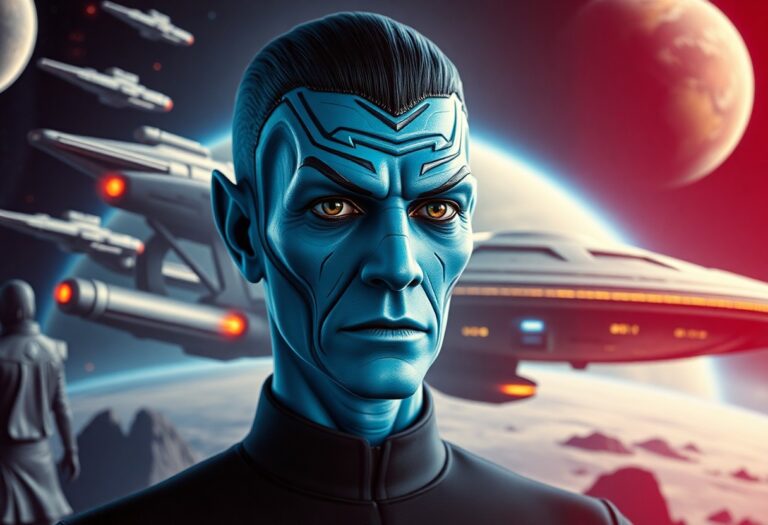
Welcome to our blog, where we delve into the unseen side of science fiction films that never quite made it. In this edition, we will be exploring the 2002 sci fi movies, a pivotal time for the genre, and shining a light on some movies that failed to meet expectations or were cancelled before they could reach their full potential. From the rise and fall of the beloved series Firefly, to the problems with the 2002 sci-fi film Bad Company, and the unsuccessful attempt to reboot the Friday the 13th franchise with Jason X, we will take a close look at these intriguing stories. Additionally, we will delve into the cancellation of the teen sci-fi show Roswell and examine the problematic aesthetics and ontology in 2002’s sci-fi movies. So sit back, relax, and join us as we uncover the hidden stories behind these forgotten or overlooked films of 2002.
The Rise and Fall of Firefly: A Look at the Cancelled Sci-Fi Series
“Firefly” was a highly anticipated sci-fi series that unfortunately met an early demise. Despite having a 14-episode run planned, only 11 episodes were aired by Fox before the show was cancelled. This left fans of the series in a state of disappointment, wondering what could have happened next in the storyline.
The cancellation of “Firefly” was not entirely surprising considering Fox’s reputation for axing shows that didn’t immediately meet expectations. Other beloved series like “Arrested Development” and “Terminator: The Sarah Connor Chronicles” also fell victim to Fox’s aggressive cancellation policy.
During its limited run, “Firefly” averaged 4.7 million viewers per episode, with its peak viewership reaching 6.2 million viewers. However, despite its dedicated fanbase, the show faced some serious problems with its initial broadcast in 2002.
For sci-fi movie enthusiasts, the rise and fall of “Firefly” serves as a reminder of the challenges faced by original sci-fi programs. It highlights the struggles faced by shows that are cancelled well before their time, leaving audiences craving for more.
Bad Company: Analyzing the Problems with the 2002 sci fi movies
Bad Company, released in 2002 and directed by Joel Schumacher, gained attention for its connections to the September 11th terrorist attacks. It holds the distinction of being the last major production to film inside the former World Trade Center. The film’s plot revolved around Serbo-Balkan extremists planning a large-scale attack in New York City.
Due to its terrorism-related storyline, the release date of Bad Company was moved from late 2001 to summer 2002, following a similar pattern seen in other films with terrorism or violent crime-related stories. Despite the anticipation surrounding its release, the film received mixed reviews from critics and did not fare well at the box office.
Some viewers criticized Bad Company for its portrayal of terrorism and its handling of sensitive subjects. However, the performances of Chris Rock and Anthony Hopkins were praised by some critics. The film’s box office performance was also affected by the release of other films with similar themes during the same period.
Overall, Bad Company is often seen as a missed opportunity and a disappointment by many. It serves as a reminder of the challenges faced when addressing sensitive subjects in science fiction films, particularly those connected to real-world events.
Jason X: The Unsuccessful Attempt to Reboot the Friday the 13th Franchise
Jason X, released in 2001, was an unsuccessful attempt to reboot the beloved Friday the 13th franchise. Despite the anticipation and excitement surrounding the film, it received negative reviews from both critics and fans of the franchise. One of the main issues with Jason X was its departure from the traditional slasher formula that made the franchise popular. Instead of the familiar campgrounds and suspenseful settings, the movie took Jason Voorhees, the iconic killer, into a futuristic spaceship setting. This choice was seen as strange and uninteresting by many fans.
Furthermore, the film lacked the suspense and tension that were present in the earlier Friday the 13th movies. The attempt to modernize the franchise with a sci-fi twist did not resonate with audiences and ultimately led to the film’s failure. Jason X serves as a cautionary tale for filmmakers attempting to reboot beloved franchises without understanding what made them successful in the first place.
Despite its failure, Jason X has gained a cult following over the years, with some fans enjoying it for its campy and over-the-top elements. However, the film’s lack of success highlights the importance of staying true to the essence and core elements of a franchise when attempting to reboot it. Jason X is a prime example of how a misguided reboot can tarnish the legacy of a beloved franchise.
Roswell: Exploring the Cancellation of the Teen Sci-Fi Show
The cancellation of the teen sci-fi show “Roswell” came as a surprise and disappointment to its dedicated fanbase. Despite facing challenges in the competitive world of prime-time television, “Roswell” had managed to cultivate a loyal following. The show’s cancellation raises questions about the decision-making process in the television industry and what factors contribute to a show being axed before its time.
For the cast, crew, and fans of “Roswell,” the cancellation was a significant blow. The show had become a part of their lives, and its sudden end left a void. The impact of the cancellation should not be overlooked, as it not only affects the individuals involved but also the community that had formed around the show.
However, there is still hope for “Roswell” to find success in the future. Reruns of the show on the Sci-Fi Channel this fall could introduce a new audience to the series and potentially spark a resurgence of interest. It is worth considering the potential for “Roswell” to continue to captivate viewers, even after its initial cancellation.
The cancellation of shows like “Roswell” is not uncommon in the world of television. Many good sci-fi series have been axed well before their time, leaving fans disappointed and craving more. It is a reminder of the challenges that creators and networks face in producing and maintaining successful science fiction programming.
In the end, the cancellation of “Roswell” serves as a reminder of the precarious nature of the television industry and the unpredictable factors that can lead to a show’s demise. Despite its cancellation, the impact of “Roswell” and its dedicated fanbase should not be underestimated.
The Problematic Aesthetics and Ontology in 2002 sci fi movies
The aesthetics and ontology in 2002’s sci-fi movies were often problematic, raising several concerns among movie enthusiasts, critics, and the general audience.
One of the major issues was the representation of futuristic technology. Many of these movies relied on outdated and unrealistic concepts, failing to imagine truly innovative and groundbreaking advancements. This not only undermined the believability of the stories but also missed an opportunity to inspire and push the boundaries of scientific imagination.
Another problematic aspect was the portrayal of alien species and other non-human entities. Often, these representations perpetuated stereotypes and lacked diversity. Instead of presenting a rich and varied universe of extraterrestrial life, these movies often resorted to tropes and clichés, reinforcing preconceived notions and limiting the potential for imaginative storytelling.
Similarly, the depiction of futuristic societies also fell short in addressing important social and ethical issues. Instead of using the genre as a platform to explore and challenge societal norms, these movies often prioritized spectacle and action over meaningful engagement. This missed opportunity to delve into thought-provoking themes left the narratives feeling shallow and disconnected from the real-world concerns.
Furthermore, the lack of diversity in casting and storytelling further compounded the problematic elements in these movies. By limiting the representation and perspectives of marginalized groups, these films failed to reflect the true diversity of our society and perpetuated a narrow and exclusionary perspective.
Recognizing and addressing these problematic aesthetics and ontological elements is essential for creating more inclusive and socially conscious sci-fi narratives. By embracing diversity, challenging stereotypes, and engaging with important social issues, the sci-fi genre can not only entertain but also inspire and provoke meaningful discussions about the future of humanity and our relationship with technology.
2002 sci fi movies: to Summarize
As we conclude our exploration of the unseen side of sci-fi in 2002, it becomes evident that this was a year filled with both missed opportunities and flawed creations. From the untimely cancellation of the beloved series Firefly, to the critical failures of films like Bad Company and Jason X, it is clear that even in the world of science fiction, not every venture can find success. However, it is through examining these failures and cancellations that we gain a deeper understanding of the complexities and challenges faced by creators in the genre. By shining a light on the problematic aesthetics and ontology present in 2002’s sci-fi movies, we can engage in meaningful discussions and learn valuable lessons for future endeavors. So, let us continue to appreciate the successes, learn from the failures, and never stop exploring the vast and fascinating world of science fiction.