
Welcome to a journey through the world of science fiction movies in the year 2005. It was a year that saw the release of several groundbreaking films that left a lasting impact on the genre. From the thrilling and visually stunning War of the Worlds to the mind-bending Tideland, these movies took audiences on a ride through the realms of fantasy and imagination. But perhaps what made 2005 truly special was how these films challenged our perception of reality and pushed the boundaries of what sci-fi could be. In this blog, we will explore the impact of War of the Worlds and other notable sci-fi movies from 2005, and how they changed the landscape of the genre. So buckle up and get ready to dive into a world where reality is under attack.
Exploring the Impact of War of the Worlds (2005) on Sci-Fi Movies
The 2005 film War of the Worlds, directed by Steven Spielberg, offered a fresh and unique approach to the alien invasion genre. One of the key differences in this adaptation was the introduction of the idea that the aliens had already prepared for their invasion long ago, adding a new layer of complexity to the story.
Spielberg was not approaching this premise blindly. The concept of alien invasion had been extensively explored in literature and previous films. Novels like Footfall, Ender’s Game, and The Forge of God delved into the theoretical possibilities of alien invasion with the speculative depth of a Tom Clancy thriller. These novels provided thoughtful takes on the premise and offered readers a glimpse into what could happen if aliens were to invade Earth.
On the screen, films like Invasion of the Body Snatchers and the TV miniseries “V” also offered thoughtful variations on the theme of alien invasion. These stories explored the psychological and societal implications of such an event, adding depth and thoughtfulness to the genre.
Variation on the alien invasion
In 1996, the film The Arrival provided a smart cinematic variation on the alien invasion theme, while Independence Day took a more action-oriented approach. These films showcased different interpretations of the genre and demonstrated the range of possibilities within the alien invasion narrative.
More recently, M. Night Shyamalan’s Signs explored the spirituality of alien invasion, offering a unique perspective on the genre. This film delved into themes of faith and belief, adding another layer of complexity to the story.
The impact of War of the Worlds (2005) on sci-fi movies can be seen in the way it contributed to the ongoing exploration and evolution of the alien invasion genre. It inspired filmmakers to continue pushing the boundaries and exploring new ideas within the genre. This has led to the creation of films like Iron Man, Inception, The Avengers, and Guardians of the Galaxy, which have all contributed to the continued popularity and evolution of sci-fi movies.
Fantastic Four (2005): A Breakthrough in Superhero Sci-Fi
Fantastic Four (2005) not only marked a breakthrough in superhero sci-fi films but also paved the way for the genre’s evolution. This film brought the beloved Marvel comic book characters to life on the big screen, introducing a fresh and engaging take on the superhero genre. With a perfect blend of action, humor, and heart, Fantastic Four (2005) appealed to a wide range of audiences.
One of the film’s standout features was its talented ensemble cast, including Ioan Gruffudd, Jessica Alba, Chris Evans, and Michael Chiklis. Their performances brought depth and authenticity to the dynamics and relationships within the Fantastic Four team, further enhancing the story. Additionally, the film showcased impressive visual effects and thrilling action sequences that captivated viewers.
Fantastic Four (2005) played a significant role in shaping the future of superhero films. Its success paved the way for subsequent movies in the genre, establishing a blueprint for the successful blending of action, humor, and character development. This film remains a beloved and influential entry in the superhero sci-fi genre, setting a high bar for future releases.
In the same year, other notable sci-fi films like War of the Worlds, Chicken Little, and Tom on Mars also contributed to the diverse landscape of science fiction in 2005. However, it was Fantastic Four (2005) that left a lasting impact and solidified its place as a milestone in superhero sci-fi cinema.
Unraveling the Themes of Reality and Fantasy in Chicken Little (2005)
Chicken Little marked a significant shift in Disney’s animation direction, as the studio transitioned from traditional hand-drawn 2-D animation to fully 3-D films. This change was influenced by the success of 3-D animated films from studios like Pixar and Dreamworks, including Toy Story and Shrek.
Interestingly, there have been conspiracy theories suggesting that Disney deliberately allowed previous films like “Treasure Planet” and “Home on the Range” to fail in order to justify the transition to 3-D animation. However, these theories are not widely accepted and it is more likely that the failures of these films were due to their mediocre quality.
Despite any controversy surrounding its production, Chicken Little was a commercial success, opening at number one at the box office and recouping double its production costs. This success affirmed for Disney executives that 3-D animation was the path forward.
However, it’s important to note that commercial success does not necessarily equate to quality. While Chicken Little may have been influential in the transition to 3-D animation, it received its fair share of criticism as a film. In the next section, we will delve into the themes of reality and fantasy in Chicken Little and explore how they contribute to the overall narrative of the movie.
Tideland (2005): A Surreal Journey into the Unknown
Tideland, released in 2005, is a movie that defies easy categorization. It is a highly unique and surreal film that leaves viewers speechless. Directed by Terry Gilliam, Tideland aims to put the viewer in the perspective of a 9-year-old girl named Jeliza-Rose. The film explores her imagination, intuition, and needed escapism in a world filled with depravity, despair, and neglect.
Jeliza-Rose’s parents, both heroin addicts, lead tragic lives. Her mother overdoses on methadone, leaving her father, played by Jeff Bridges, to take her to the farmhouse where he grew up. It is in this dilapidated house that Jeliza-Rose finds solace, using the heads of her dolls as companions, critics, and followers. She also forms a strong and delirious connection with a man named Dickens, played by Brendan Fletcher.
One of the striking aspects of Tideland is how it blurs the line between fantasy and reality. Gilliam’s direction, reminiscent of Michel Gondry’s “The Science of Sleep,” creates a subjective experience for the viewer. The film immerses the audience in Jeliza-Rose’s world, where fantasy and reality become blurred and intertwined.
It is worth noting that Tideland is a polarizing film. Some viewers may find it challenging to embrace the subjective realm of the central character, while others may appreciate the thought-provoking and mind-bending nature of the film. Critics have had strong opinions about Tideland, both praising its unique vision and condemning it for its disturbing themes.
Overall, Tideland is a surreal journey into the unknown. It pushes the boundaries of storytelling and challenges viewers to question the nature of reality. For sci-fi movie enthusiasts seeking a thought-provoking and unconventional experience, Tideland is a film worth exploring.
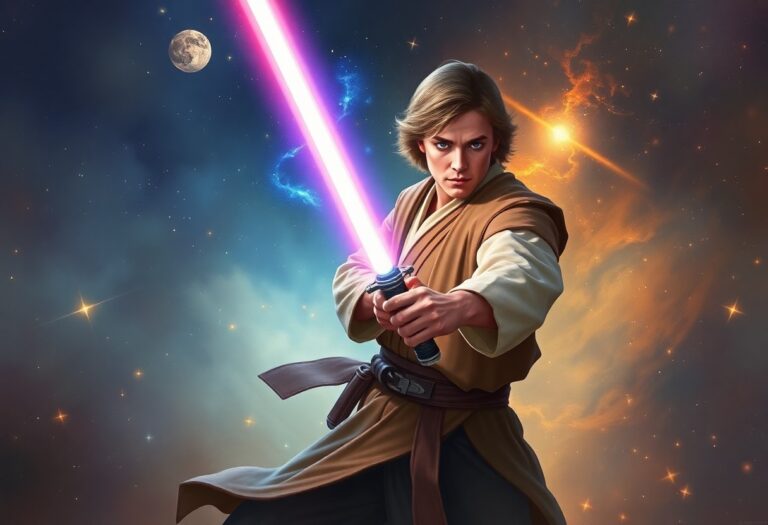
The Influence of Star Wars: Episode III Revenge of the Sith (2005) on the Sci-Fi Genre
“Star Wars Episode III – Revenge of the Sith” had a significant influence on the sci-fi genre, leaving a lasting impact on popular culture. The franchise has become a part of our collective heritage, with its characters, quotes, and iconic imagery ingrained in our memories. So the success of “Star Wars” changed the movie industry, introducing the concept of the blockbuster and revolutionizing film marketing.
The timeless story of good vs. evil in “Star Wars” resonated with audiences, providing comfort and a sense of familiarity. It became an “event movie,” with people flocking to theaters to experience it multiple times. The film’s influence extended beyond the big screen, as it has been spoofed and referenced in various forms of media, further solidifying its cultural significance.
The merchandising of “Star Wars” products has been a tremendous success, generating billions of dollars worldwide. From action figures to board games, the franchise’s merchandise has become a staple in the toy industry. The current marketing blitz surrounding “Star Wars” demonstrates its continued popularity and relevance, with characters like Chewbacca and Yoda appearing in various commercials and advertisements.
For many, “Star Wars” holds a special place in their hearts, evoking nostalgia for their childhood memories of watching the films and playing with the toys. The franchise has inspired other sci-fi films and has had a profound influence on the genre as a whole. Its impact can be seen in movies like “Avatar,” “Inception,” “The Avengers,” and “Guardians of the Galaxy,” which have all taken cues from the groundbreaking success of “Star Wars.”
To Sum Things Up
As we conclude our exploration of the sci-fi movies of 2005, it becomes clear that this was a year that pushed the boundaries of the genre and challenged our understanding of reality. From the thrilling and visually stunning War of the Worlds to the mind-bending Tideland, these films took us on journeys into the unknown and left us questioning what is real and what is fantasy. The influence of these movies can still be felt in the sci-fi genre today, as filmmakers continue to explore the themes of reality and imagination. So let us remember and celebrate the impact of these films, as they continue to inspire and captivate sci-fi enthusiasts around the world.